
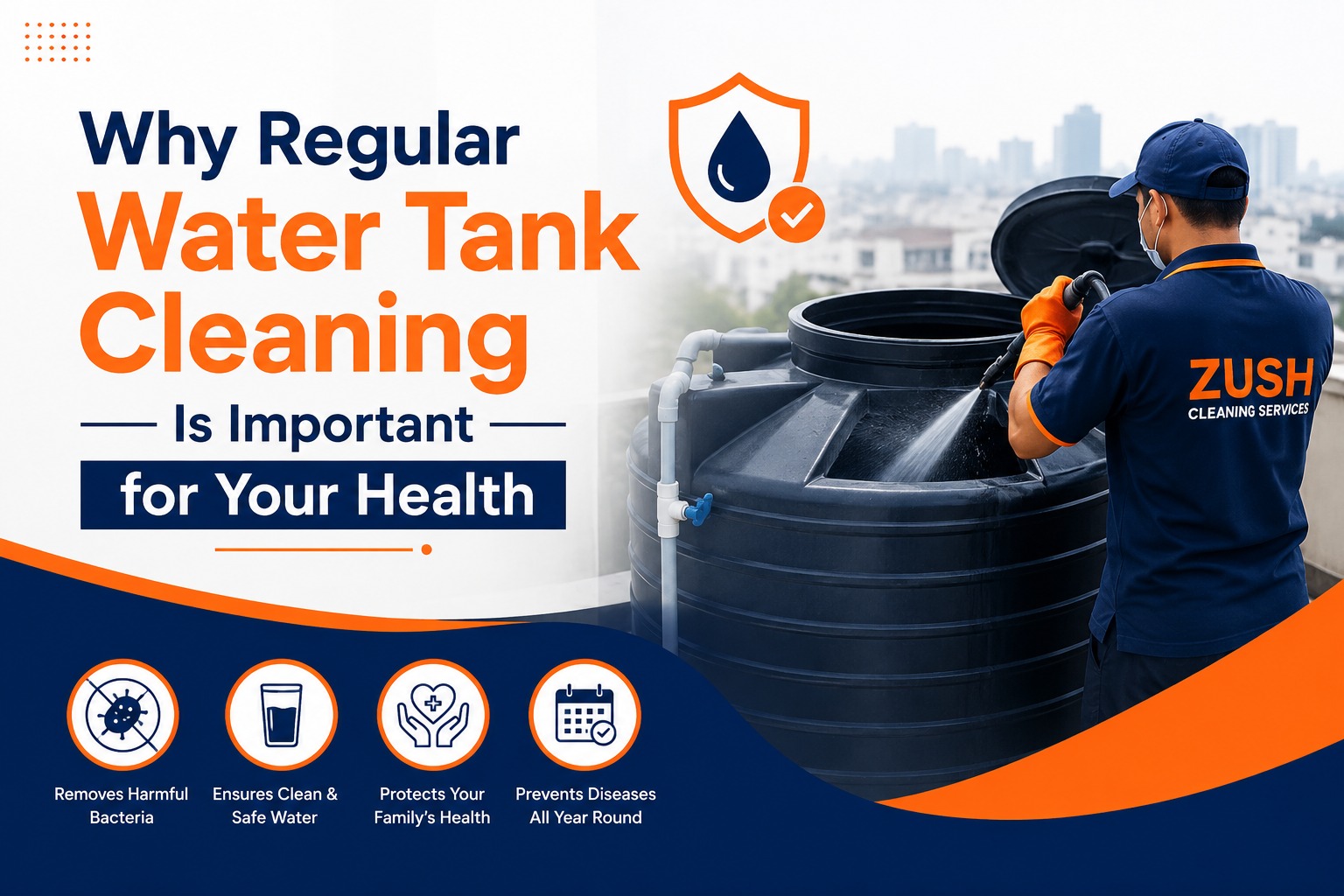
Why Regular Water Tank Cleaning Is Important for Your Health
Clean water is something most of us take for granted every time we turn on a tap. But the quality of the water reaching your home depends heavily on one often-overlooked component: your water tank. Whether it sits on your rooftop, underground, or in a utility room, a water tank collects far more than water over time — it can accumulate sediment, algae, rust, and even microbial growth if left unattended. This is why regular water tank cleaning is not just a maintenance chore but a genuine health necessity for every household and business.
In this guide, we'll explore why water tank hygiene matters so much, what happens when a tank is neglected, how often cleaning should be done, and how professional tank cleaning services can help you avoid serious health risks.
Hidden Dangers of a Dirty Water Tank
Most people assume that once water passes through municipal treatment or a filtration system, it stays safe indefinitely. In reality, a water tank is a storage vessel, and like any container that holds liquid for extended periods, it is vulnerable to contamination. Dust, insects, dead leaves, and airborne particles can enter through poorly sealed lids. Over time, this debris settles at the bottom, creating a breeding ground for bacteria, fungi, and algae.
A neglected water tank can harbor harmful microorganisms such as E. coli, Salmonella, and Legionella — the bacteria responsible for Legionnaires' disease. These pathogens thrive in warm, stagnant, and nutrient-rich environments, which is exactly what an uncleaned tank provides. When this contaminated water flows into your taps, showers, and kitchen, it directly exposes your family or employees to preventable illness.
How Dirty Water Tank Can Affect Your Health
1. Gastrointestinal Illnesses
One of the most common consequences of drinking or cooking with water from a dirty tank is gastrointestinal distress. Diarrhea, vomiting, stomach cramps, and nausea are frequently traced back to bacterial contamination in stored water. Children and elderly family members are especially vulnerable because their immune systems are less equipped to fight off waterborne pathogens.
2. Skin and Eye Irritation
Bathing or washing with water from a poorly maintained tank can cause rashes, itching, and eye irritation. Sediment, rust particles, and microbial buildup can clog pores and trigger allergic reactions, particularly in people with sensitive skin or existing dermatological conditions.
3. Respiratory Problems
Legionella bacteria, which can grow in stagnant water, are inhaled through fine water droplets — such as those from a shower or humidifier — and can cause a severe form of pneumonia. This is one of the most serious risks associated with neglected water storage systems and a major reason health authorities recommend routine inspection and cleaning.
4. Long-Term Exposure to Heavy Metals and Rust
Older tanks made from metal or those with corroded internal linings can leach rust and heavy metal particles into stored water. Long-term consumption of such water has been linked to kidney strain and other chronic health issues, making periodic cleaning and inspection essential.
Signs Your Water Tank Needs Cleaning
It's not always obvious that your water tank has become a health hazard. Here are some warning signs to watch for:
- Water has a foul smell or metallic taste
- Visible discoloration, such as a yellow, brown, or greenish tint
- Slimy residue or algae buildup near the tank inlet or outlet
- Reduced water pressure due to sediment blocking pipes
- Frequent unexplained stomach upsets among household members
- Visible debris, insects, or small particles floating in stored water
If you notice any of these signs, it's time to schedule a thorough cleaning rather than waiting for the next scheduled maintenance cycle.
How Often Should You Clean Your Water Tank?
Health experts and plumbing professionals generally recommend cleaning a residential water tank at least twice a year, though this can vary depending on the tank's material, location, and usage. Rooftop tanks exposed to direct sunlight and dust are more prone to algae growth and should ideally be inspected every three to four months. Commercial properties, schools, hospitals, and residential buildings with larger water storage systems often require more frequent cleaning due to higher usage and greater public health stakes.
Factors that influence cleaning frequency include:
- Tank material (plastic, concrete, or metal)
- Local climate and water quality
- Tank location (indoor vs. outdoor, underground vs. rooftop)
- Number of users relying on the same water supply
- Presence of a proper sealing lid and ventilation system
Professional Water Tank Cleaning
While some homeowners attempt DIY cleaning, a thorough job typically requires specialized equipment and expertise. A standard professional cleaning process usually includes:
- Draining the tank completely to remove existing water and loosen sediment.
- Scrubbing interior walls to remove algae, biofilm, and mineral deposits.
- Vacuuming sediment from the base of the tank using industrial suction equipment.
- Disinfecting the tank with approved sanitizing agents to eliminate bacteria and pathogens.
- Rinsing thoroughly to ensure no chemical residue remains.
- Refilling and testing the water quality before the tank is returned to regular use.
This level of detail is difficult to achieve without professional-grade tools, which is why many households and businesses turn to expert water tank cleaning providers rather than attempting the job themselves.
DIY Cleaning vs. Professional Services
DIY cleaning might seem like a cost-saving option, but it comes with real limitations. Without proper protective equipment, homeowners risk exposure to bacteria and mold spores during the cleaning process itself. Additionally, incomplete disinfection can leave behind microscopic contaminants that continue to multiply, defeating the purpose of the cleaning altogether.
Professional teams use commercial-grade vacuums, food-safe disinfectants, and water testing kits to verify that the tank is genuinely safe before it's returned to use. They also carry the experience to identify structural issues — such as cracks, corrosion, or faulty seals — that an untrained eye might miss. For anyone comparing options, browsing a directory of cleaning services Dubai residents rely on can help you evaluate reviews, pricing, and service guarantees before booking.
Why This Matters More in Hot Climates
In regions with high year-round temperatures, stored water heats up faster, creating ideal conditions for bacterial and algae growth. This is particularly relevant for households and businesses relying on rooftop storage systems exposed to direct sun. Regular scheduling of water tank cleaning in Dubai households and offices is especially important given the region's climate, where temperatures can accelerate contamination within just a few weeks of neglect.
Buildings with shared water storage — apartment complexes, offices, and commercial facilities — carry an even greater responsibility, since a single contaminated tank can affect dozens or hundreds of people simultaneously. This is why many property managers now include routine tank maintenance as part of their broader deep cleaning services contracts, ensuring that water safety isn't left to chance or forgotten during routine facility upkeep.
Benefits of Regular Water Tank Maintenance
Investing in consistent tank cleaning delivers benefits that go beyond avoiding illness:
- Improved water taste and odor — clean tanks mean fresher-tasting water for drinking and cooking.
- Extended tank lifespan — removing sediment and corrosion-causing debris helps prevent structural damage.
- Better water pressure — clear inlets and outlets mean water flows efficiently through your plumbing.
- Lower long-term costs — preventing pipe damage and appliance wear saves money on repairs.
- Peace of mind — knowing your family or employees are protected from waterborne illness.
Choose the Right Water Tank Cleaning Company
When selecting a company to handle this job, consider the following:
- Certification and experience: Look for providers with proven expertise and proper licensing.
- Equipment used: Ask whether they use vacuum-based extraction and food-grade disinfectants.
- Before-and-after documentation: Reputable companies often provide photos or reports of the cleaning process.
- Water quality testing: A good provider tests the water after cleaning to confirm safety.
- Customer reviews: Check testimonials to gauge reliability and consistency of service.
Choosing a reputable provider ensures your tank is cleaned thoroughly and safely, without shortcuts that could leave contaminants behind. A reliable, experienced team combines trained technicians, the right equipment, and proper disposal of waste sediment to deliver results you can actually trust.
Common Myths About Tank Maintenance
Misconceptions about storage tank upkeep often lead people to delay necessary maintenance. It's worth clearing a few of them up.
"If the water looks clear, it's safe." Clarity has almost nothing to do with microbial safety. Many harmful bacteria and parasites are completely invisible to the naked eye, and a tank can look pristine while still harboring dangerous contamination beneath the surface or along interior walls.
"Municipal treatment means storage doesn't matter." Treated water arriving at your property is generally safe at the point of entry, but that guarantee ends the moment it sits in an unmaintained reservoir. Storage conditions — heat, sunlight, sediment, and stagnation — can undo the benefits of treatment within weeks.
"Cleaning once a year is always enough." Frequency needs vary by climate, tank material, and household size. A once-a-year rule of thumb ignores the reality that hotter regions, older tanks, and higher-occupancy buildings all accelerate contamination timelines.
"DIY cleaning is just as effective as hiring a professional." As covered earlier, without industrial vacuums, proper disinfectants, and post-cleaning testing, it's very difficult to verify that a tank has actually been restored to a safe standard. Visual cleanliness after a DIY effort doesn't guarantee microbial safety.
Economic and Environmental Case for Regular Maintenance
Beyond personal health, there's a strong financial and environmental argument for staying on top of storage system upkeep. Sediment buildup forces pumps and plumbing fixtures to work harder, increasing energy consumption and wear on appliances like water heaters and washing machines. Over time, this translates into higher utility bills and more frequent equipment repairs or replacements — costs that far outweigh the price of routine maintenance.
There's also a resource-conservation angle. When storage systems become contaminated, many households resort to buying bottled water for drinking and cooking, generating unnecessary plastic waste and recurring expense. A well-maintained storage system removes that need entirely, allowing families to rely confidently on their existing supply instead of purchasing packaged alternatives.
For commercial properties, the stakes are higher still. A single contamination incident traced back to a neglected reservoir can result in regulatory penalties, reputational damage, and costly emergency remediation — all of which are avoidable with a proactive maintenance schedule.
How long does a professional cleaning typically take?
For an average residential storage tank, the process usually takes between one and three hours, depending on size, accessibility, and the extent of sediment buildup. Larger commercial systems can take longer.
Is it safe to use water while the tank is being cleaned?
Most providers recommend switching to an alternate supply or bottled water during the cleaning window, since the tank will be temporarily drained and taken offline.
Does tank material affect how often cleaning is needed?
Yes. Plastic and fiberglass tanks are generally more resistant to corrosion but can still develop algae, while metal and concrete tanks are more prone to rust and mineral buildup, often requiring closer monitoring.
Final Thoughts
Your water tank plays a silent but critical role in your household's overall health. Neglecting it doesn't just risk bad-tasting water — it can expose you and your loved ones to bacteria, parasites, and contaminants capable of causing serious illness. Making water tank cleaning a routine part of your home or facility maintenance schedule is one of the simplest, most effective ways to protect your family's wellbeing.
Whether you choose to hire professionals or take on the task yourself with the right tools and precautions, the key takeaway is consistency. A storage system that is cleaned and inspected regularly will continue to deliver safe, fresh water for years to come — and that's an investment worth making for your health and peace of mind.